
A home water pump is one of the essential components of a household’s water system. This device is responsible for providing adequate water pressure for use in the bathroom, kitchen, washing, and even garden irrigation systems. A water pump can last for many years if used correctly and maintained properly. However, neglecting its upkeep can lead to premature failure and reduced efficiency of the water system. In this article, we will discuss how to maintain a home water pump and provide tips for increasing its lifespan.
Proper Installation of the Water Pump
The first step in ensuring the optimal performance of your home water pump is its proper installation. Incorrect installation can lead to numerous problems that may ultimately reduce the lifespan of the pump.
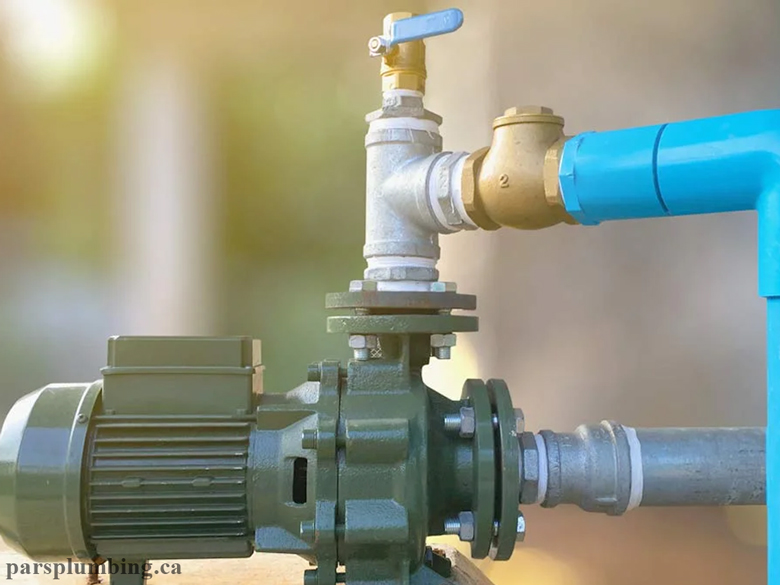
Here are some key considerations during installation:
- Proper Location: The water pump should be installed in a dry, cool area. Avoid placing it in direct sunlight or in damp environments, as these conditions can damage the pump’s components.
- Installing an Inlet Filter: Installing a filter at the water pump’s inlet can prevent debris and impurities from entering the pump, which helps reduce wear and tear on its internal components.
- Ensure Quality Pipes: The inlet and outlet pipes should be made of suitable material and free from any cracks. Broken or unsuitable pipes can cause extra strain on the pump and lead to damage.
Regular Inspection and Cleaning
A water pump requires periodic inspection and cleaning. This helps prevent issues and ensures the pump continues to function properly for a longer period of time. It is recommended to inspect and clean the pump at least every six months.
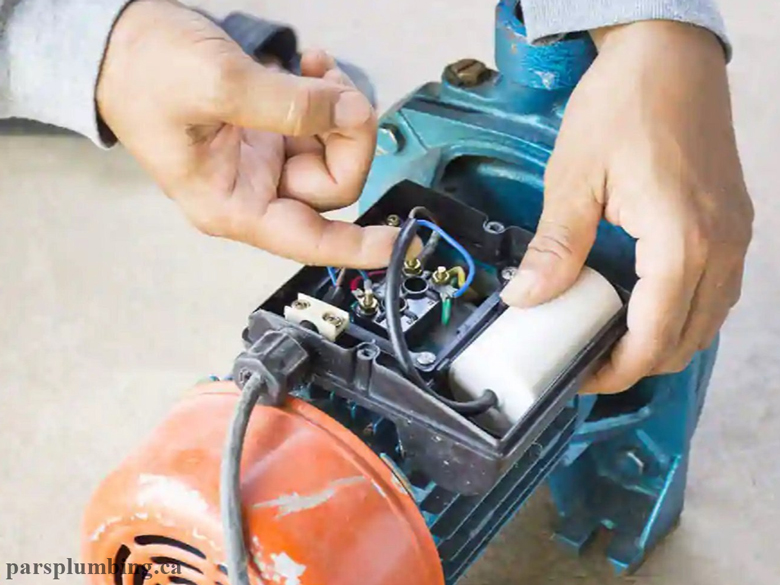
- Cleaning Filters: The inlet filters should be cleaned regularly to prevent dirt and debris from reducing the water flow. Clogged filters can cause excessive strain on the pump and damage it over time.
- Check the Pump Shaft: The pump shaft should not have any vibrations or damage. If there are any unusual sounds or vibrations, the pump should be inspected and serviced.
- Clean the Air Chamber: If your pump has an air chamber, it should also be cleaned periodically to ensure optimal performance.
Control the Pump’s Pressure
One of the most important factors that affect the lifespan of a water pump is water pressure. Both high and low pressure can cause significant damage to the pump.
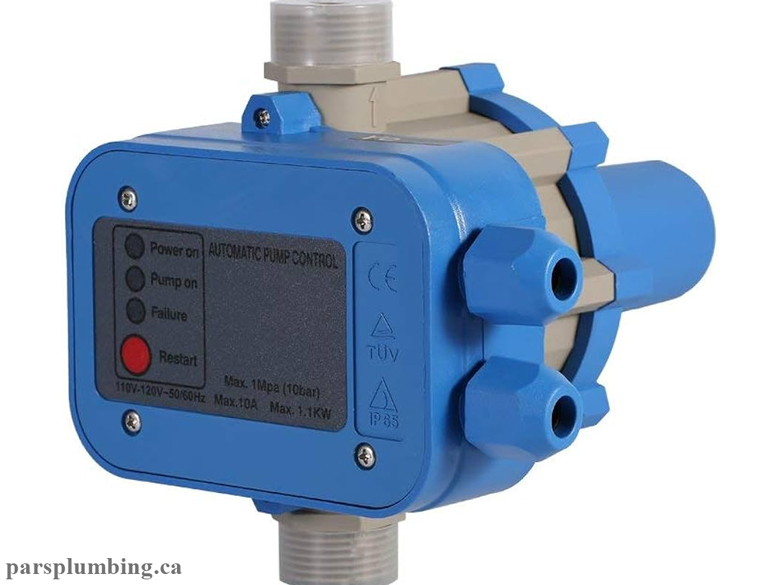
It is important to check and adjust the pressure regularly.
- Adjusting the Pressure: Water pumps typically come with a pressure gauge that indicates the water pressure. If the pressure is too high or low, it should be adjusted accordingly.
- Use of Pressure Regulating Valve: Installing a pressure regulating valve at the water pump’s inlet can help prevent excessive pressure and keep the pump functioning properly.
Lubricating and Servicing the Pump
If the pump has moving components like a motor and shaft, regular lubrication can help reduce friction and wear.
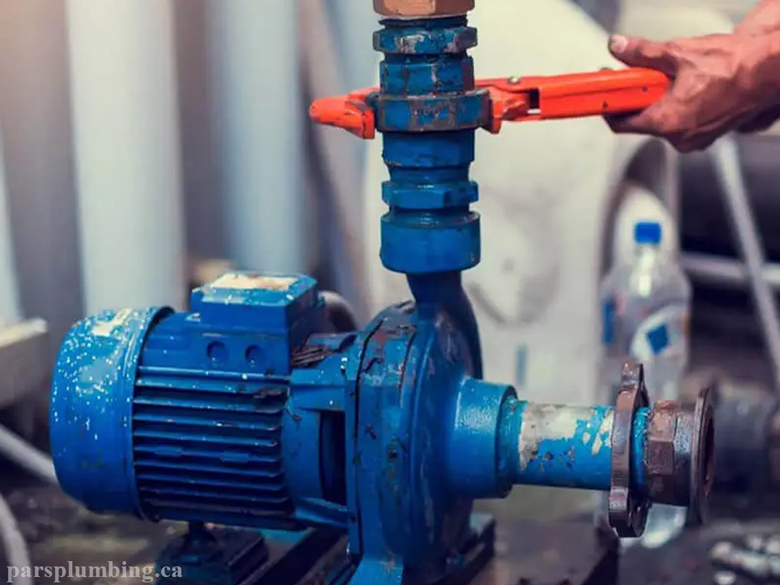
This maintenance step not only reduces noise but also enhances the pump’s performance.
- Lubricate the Motor: The pump motor should be lubricated at regular intervals to prevent excessive friction and damage to moving parts. Always follow the manufacturer’s guidelines for lubrication.
- Professional Servicing: If your water pump is large or operates in areas with hard water, it is advisable to have it serviced periodically by a professional technician. This helps identify problems before they result in significant damage.
Avoid Overloading and Excessive Use
Water pumps are designed to handle specific loads. Overloading the pump or using it continuously can cause increased wear and ultimately failure.
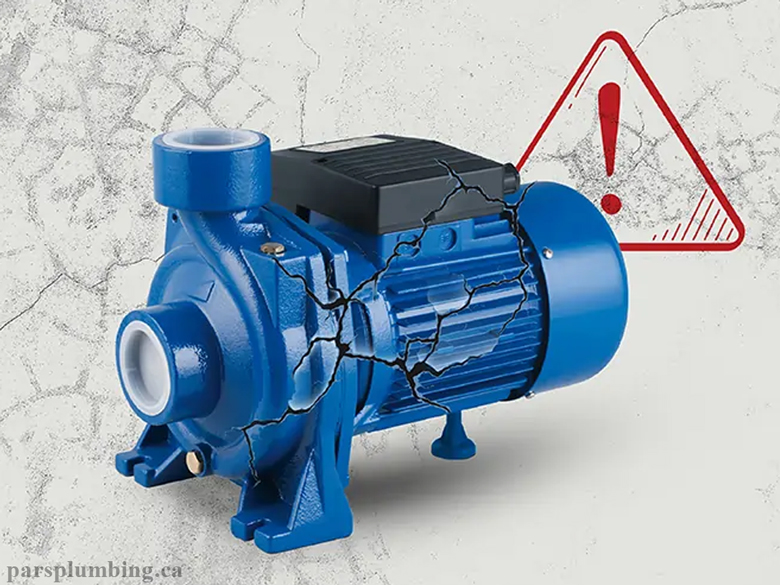
To avoid this, follow these tips:
- Use the Pump Reasonably: The pump should not be used continuously for extended periods. Ensure it has rest intervals to avoid overheating and damage to the motor.
- Calculate the Household Water Demand: Make sure that your pump is capable of meeting your household’s water needs. If there are many water consumers or high pressure demands, you may need a higher capacity pump.
Protecting the Pump in Cold Seasons
During cold weather, freezing can be a common problem for water pumps.
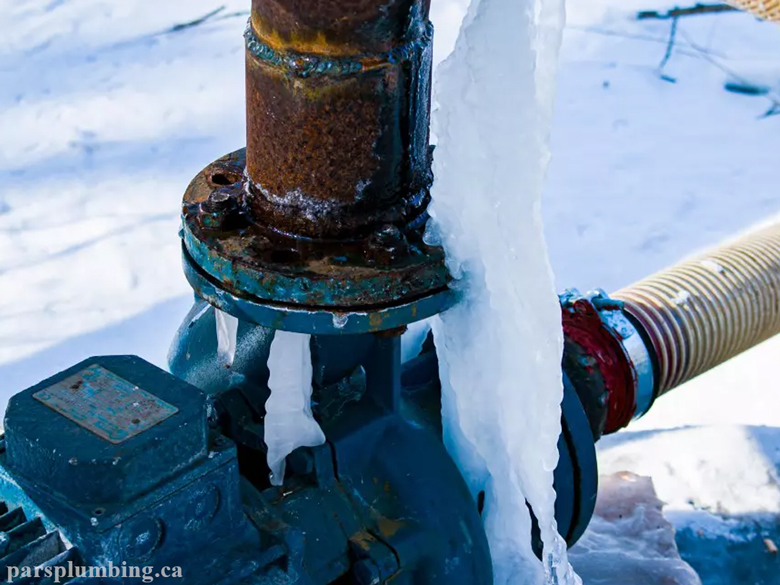
To prevent freezing and damage to the pump, take the following precautions:
- Drain the Pump Before Winter: If your pump is installed outdoors or exposed to cold weather, it should be drained before the onset of winter to prevent freezing and possible rupture of pipes.
- Use Insulation Covers: Insulation covers for pumps can help prevent them from freezing. These covers maintain a steady temperature and protect the pump from cold damage.
Preventing Debris and Contaminants from Entering the Pump
One of the main reasons a pump may fail is the entry of debris or contaminants. To avoid this issue, it’s important to regularly clean water filters and ensure the quality of the water.
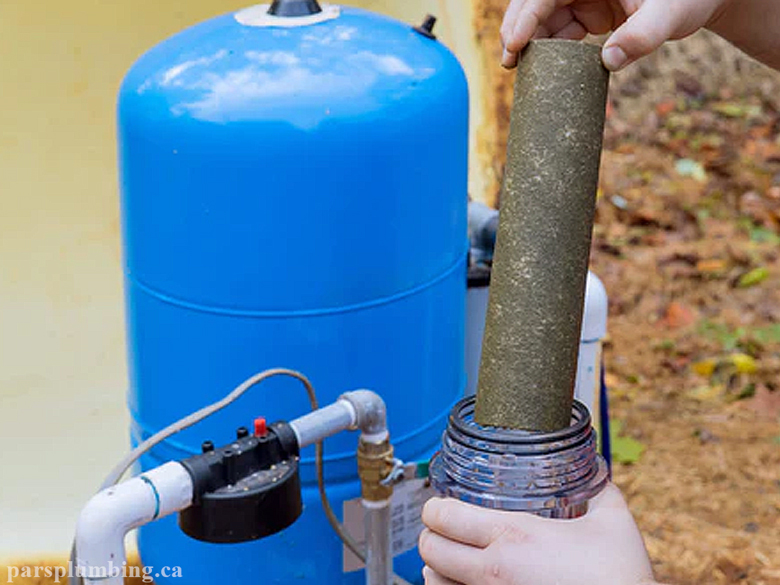
- Use High-Quality Filters: Using quality filters at the pump’s inlet will help remove debris and impurities from the water, reducing the likelihood of pump damage.
Conclusion
Proper maintenance of a home water pump can significantly extend its lifespan and ensure optimal performance. Regular inspection, cleaning, pressure adjustment, lubrication, and cold-weather protection are key steps to take. By following these guidelines, you can prevent premature pump failure, reduce repair costs, and maintain the efficiency of your household’s water system for years to come.